The Hidden Health Benefits of Regular Manicures and Pedicures
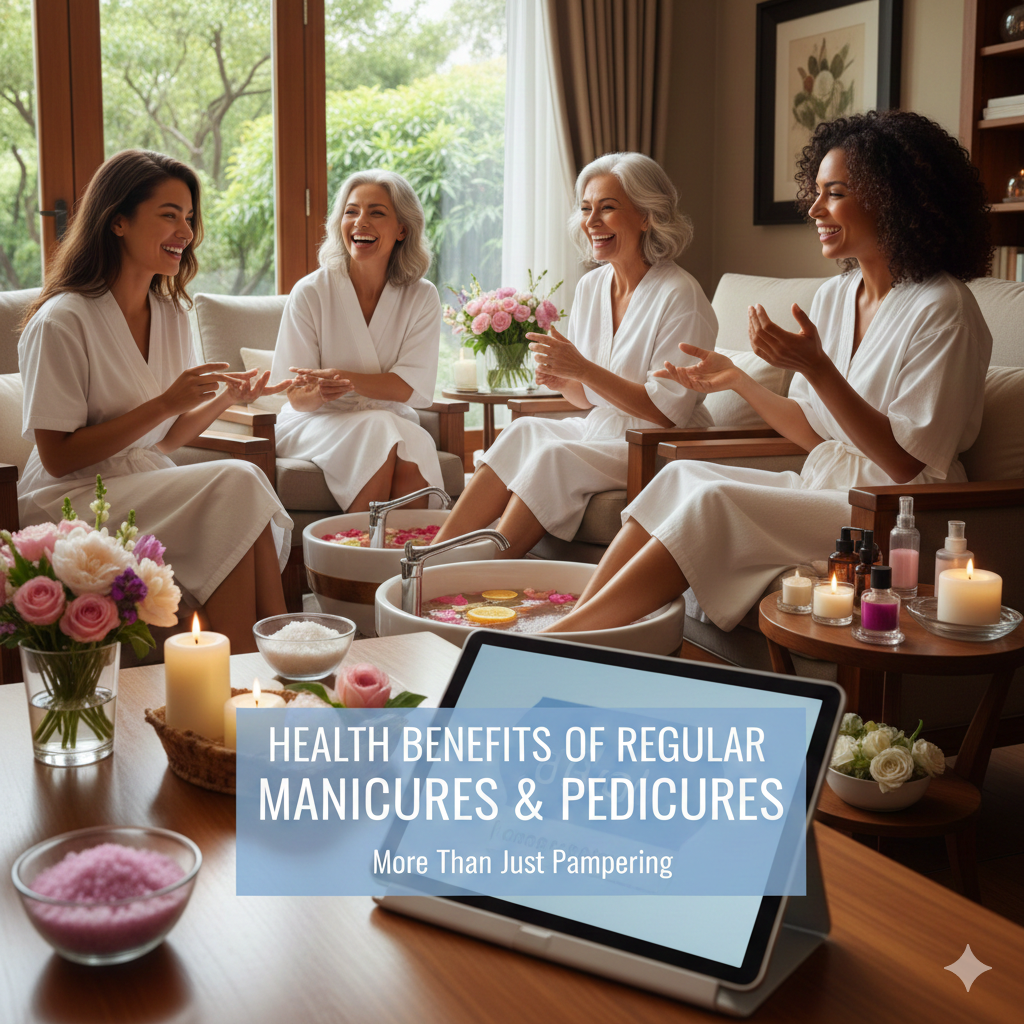
Manicures and pedicures are often associated with beauty and self-expression, but their value goes well beyond aesthetics. Regular nail care supports physical comfort, hygiene, circulation, and mental well-being. When viewed through a wellness lens, caring for your hands and feet becomes an important part of maintaining overall health.
Below is a closer look at how consistent manicures and pedicures contribute to well-being, supported by medical research and trusted health authorities.
Improved Circulation and Reduced Fatigue
The hands and feet are farthest from the heart, which means they are more prone to poor circulation, swelling, and stiffness. During manicures and pedicures, gentle manipulation of the muscles and soft tissues helps stimulate blood flow in these areas.
Health experts at the Cleveland Clinic explain that healthy circulation is essential for delivering oxygen and nutrients throughout the body, while also helping remove metabolic waste. Improved blood flow in the extremities can reduce discomfort, especially for people who spend long hours sitting, standing, or working with their hands.
By regularly caring for the hands and feet, many people notice less tension and a general feeling of lightness after their appointments.
Stress Relief and Nervous System Relaxation
Modern life places constant demands on the nervous system, making stress management a key component of long-term health. Taking time for routine grooming allows the body to slow down and enter a more relaxed state.
According to the American Psychological Association, activities that promote physical relaxation and calm sensory input can help lower cortisol levels and improve emotional regulation. This is why many people find personal care rituals deeply calming, even when they are simple and familiar.
Touch-based relaxation techniques are commonly discussed alongside other restorative practices. For example, this overview of how different massage techniques affect muscle tension and relaxation explains how gentle pressure can support both physical and mental recovery. While nail care is different in purpose, the underlying principle of relaxation through touch is similar.
Early Awareness of Nail and Skin Health Issues
Nails often reflect changes in overall health. Variations in color, thickness, ridging, or texture can sometimes signal infections, circulation problems, or nutritional deficiencies.
Medical resources from Harvard Health Publishing note that nail changes may be an early indicator of underlying conditions, making regular observation especially valuable. Routine nail care increases awareness and encourages timely medical consultation when something looks unusual.
While nail technicians do not diagnose conditions, consistent maintenance makes it easier for individuals to notice subtle changes before they worsen.
Lower Risk of Infections Through Proper Nail Care
Keeping nails clean, trimmed, and properly maintained reduces the risk of bacterial and fungal infections. Cuticle care, in particular, plays a key role in protecting the nail bed from harmful microorganisms.
The Mayo Clinic emphasizes that good nail hygiene is essential for preventing common infections and avoiding damage to surrounding skin. Professional salons that follow strict sanitation protocols further support this protective effect.
When nail care is neglected, small issues such as hangnails or cracked cuticles can quickly become painful or infected.
Joint Comfort and Hand–Foot Mobility
The hands and feet contain dozens of small joints that are used constantly throughout the day. Repetitive motion, aging, and prolonged standing can all contribute to stiffness and discomfort.
Research summarized by the National Institutes of Health suggests that gentle manual stimulation of muscles and joints may help improve flexibility and reduce discomfort over time. Regular attention to these areas supports mobility and comfort, particularly for people with physically demanding routines.
Building Sustainable Self-Care Habits
One of the most overlooked benefits of regular manicures and pedicures is the way they encourage consistent self-care. Scheduling routine appointments reinforces the habit of paying attention to personal health and hygiene.
Preventive care is a cornerstone of long-term wellness, and nail maintenance fits naturally into this mindset. When combined with other healthy habits, it contributes to a balanced and proactive approach to well-being.
Why Salon Standards Matter
The health benefits discussed above depend heavily on proper hygiene and professional practices. Clean tools, disposable files, and trained technicians are essential for ensuring that nail care supports health rather than introducing risk.
Choosing a reputable salon ensures that each visit is both safe and beneficial.
Final Thoughts
Regular manicures and pedicures offer far more than visual appeal. They support circulation, stress reduction, nail health, and early awareness of potential issues. Over time, these benefits add up, contributing to both physical comfort and mental well-being.
Healthy nails are often a reflection of healthy habits. By treating nail care as part of a broader wellness routine, it becomes a simple yet meaningful investment in long-term health.
← Back to Blog